ICS Backup and Recovery: A Complete Guide to Protecting Critical Infrastructure
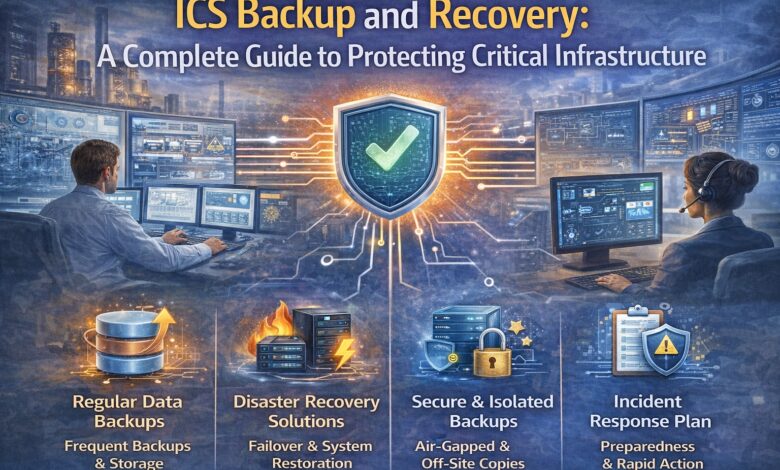
Industrial Control Systems (ICS) form the backbone of modern infrastructure, quietly powering everything from energy grids and water treatment plants to manufacturing lines and transportation networks. While these systems are designed for reliability and precision, they are not immune to disruptions. Cyber threats, hardware failures, and human errors can all lead to costly downtime and potential safety risks. That’s why having a strong backup and recovery strategy is no longer optional—it’s essential.
In recent years, the landscape surrounding critical infrastructure has shifted dramatically. As more ICS environments become connected and digitized, they also become more vulnerable. A single failure in an unprotected system can ripple across operations, causing production delays, financial loss, and even environmental hazards. Organizations are increasingly recognizing that resilience depends not just on prevention, but also on rapid recovery when things go wrong.
ICS Backup and Recovery plays a crucial role in ensuring that industrial systems can bounce back quickly and efficiently after disruptions. It’s not just about copying data; it’s about safeguarding operational continuity, protecting system configurations, and maintaining the integrity of essential processes. Without a well-structured recovery plan, even a minor incident can escalate into a major crisis.
Understanding the Importance of ICS Backup
When people think about backups, they often imagine simple file storage or cloud syncing. But in ICS environments, backups are far more complex and critical. These systems control real-world processes, meaning any loss of data or configuration can directly impact physical operations. Imagine a power plant losing its control logic or a manufacturing line losing its automation settings—the consequences could be severe.
One of the key aspects of ICS backup is preserving system configurations. These configurations define how machines operate, communicate, and respond to inputs. Losing them means starting from scratch, which can take hours or even days. During that time, operations may be halted entirely, leading to significant losses.
Another important factor is compliance. Many industries are governed by strict regulations that require robust data protection and recovery strategies. Having a reliable backup system not only ensures operational continuity but also helps organizations meet regulatory requirements and avoid penalties.
Key Components of an Effective Backup Strategy
A solid backup strategy for ICS environments isn’t built overnight. It requires careful planning, ongoing monitoring, and continuous improvement. Several key components must come together to create a reliable system that can withstand unexpected events.
First, frequency matters. Backups should be performed regularly to ensure that the most recent data and configurations are always available. Depending on the system, this could mean daily, hourly, or even real-time backups. The goal is to minimize data loss in case of an incident.
Second, storage diversity is essential. Relying on a single storage location can be risky. A well-rounded approach includes both on-site and off-site storage, ensuring that backups remain accessible even if one location is compromised.
Third, automation plays a vital role. Manual backups are prone to human error and inconsistency. Automated systems ensure that backups are performed reliably and without interruption, reducing the risk of missed updates.
Challenges in ICS Backup and Recovery
Despite its importance, implementing an effective ICS backup and recovery strategy comes with its own set of challenges. One of the biggest hurdles is the complexity of industrial systems. Unlike traditional IT environments, ICS setups often include a mix of legacy equipment and modern technology, making integration difficult.
Another challenge is downtime sensitivity. Many ICS environments operate continuously, leaving little room for interruptions. Backup processes must be designed in a way that doesn’t interfere with ongoing operations. This requires careful planning and specialized tools.
Security is also a major concern. Backups themselves can become targets for cyberattacks. If compromised, they can render recovery efforts useless. Protecting backup data with encryption and access controls is critical to maintaining its integrity.
Best Practices for Reliable Recovery
Having backups is only half the battle—the real test comes during recovery. A backup that can’t be restored quickly and accurately is essentially useless. That’s why recovery processes must be tested regularly to ensure they work as expected.
One effective practice is conducting routine drills. These simulations help identify gaps in the recovery plan and provide valuable insights into how systems behave under stress. They also help teams become familiar with recovery procedures, reducing response time during actual incidents.
Another best practice is prioritization. Not all systems are equally critical. Identifying and prioritizing key components ensures that the most important operations are restored first, minimizing overall impact.
Documentation is equally important. Clear, detailed recovery procedures make it easier for teams to act quickly and confidently. In high-pressure situations, having a step-by-step guide can make all the difference.
The Role of Automation in Modern ICS Recovery
Automation is transforming the way organizations approach backup and recovery. In ICS environments, where time is of the essence, automated solutions can significantly reduce downtime and improve reliability.
Automated recovery systems can detect failures and initiate restoration processes almost instantly. This reduces the need for manual intervention and ensures a faster response. It’s like having a safety net that activates the moment something goes wrong.
Additionally, automation helps maintain consistency. Every backup and recovery process follows the same predefined steps, reducing the risk of errors. This is particularly important in complex ICS environments, where even small mistakes can have significant consequences.
Building a Resilient ICS Environment
Resilience isn’t just about reacting to problems—it’s about preparing for them in advance. A resilient ICS environment is designed to withstand disruptions and recover quickly when they occur.
One way to build resilience is through redundancy. Having backup systems and components in place ensures that operations can continue even if one part fails. This could include duplicate servers, alternative communication channels, or backup power sources.
Another important aspect is continuous monitoring. Keeping an eye on system performance helps detect issues early, allowing for proactive intervention. This reduces the likelihood of major failures and improves overall reliability.
Training and awareness also play a crucial role. Teams must be equipped with the knowledge and skills needed to handle emergencies effectively. Regular training sessions ensure that everyone knows their role and can act quickly when needed.
Benefits of a Strong Backup and Recovery Plan
Investing in a robust ICS backup and recovery strategy offers numerous benefits. The most obvious is reduced downtime. When systems can be restored quickly, operations can resume with minimal disruption.
Another benefit is improved security. A well-designed backup system includes measures to protect data from unauthorized access and tampering. This adds an extra layer of defense against cyber threats.
Financial savings are also significant. Downtime can be incredibly costly, especially in industries where every minute counts. By minimizing interruptions, organizations can save money and maintain productivity.
Finally, a strong backup and recovery plan enhances confidence. Knowing that systems are protected and recoverable provides peace of mind for both operators and stakeholders.
Conclusion
Protecting critical infrastructure requires more than just preventive measures—it demands a comprehensive approach that includes reliable backup and recovery strategies. As ICS environments continue to evolve, so do the risks they face. Being prepared for the unexpected is the key to maintaining stability and ensuring long-term success.
By understanding the importance of backups, implementing best practices, and leveraging modern technologies, organizations can build resilient systems capable of withstanding disruptions. The goal is not just to survive incidents, but to recover from them quickly and efficiently, keeping operations running smoothly.
Explore more about advanced solutions at https://www.salvador-tech.com/.