Essential Guide to Choosing a Household Combustible Gas Detector
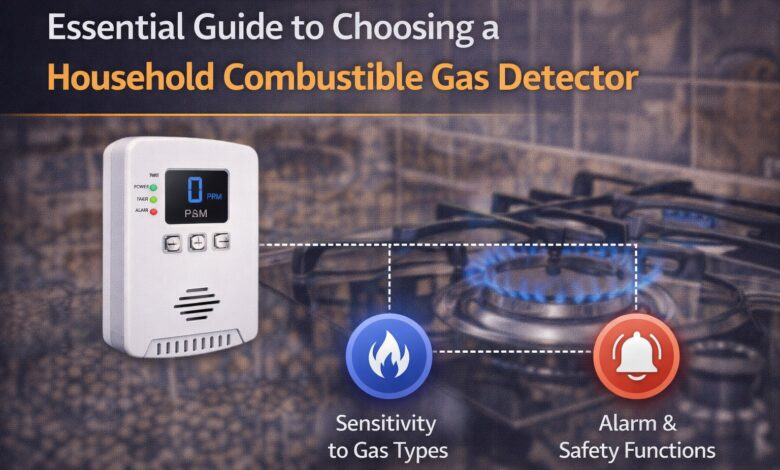
Understanding Household Gas Safety
Why Gas Leaks Are Dangerous
Gas leaks are one of those silent threats that most homeowners don’t think about—until it’s too late. Unlike visible hazards such as fire or flooding, combustible gases like methane or propane can accumulate unnoticed, gradually turning your living space into a dangerous environment. What makes this even more alarming is that many gases are odorless, and even those with added scents can go undetected during sleep or when you’re away from home. A small leak can escalate quickly, leading to explosions, fires, or serious health issues caused by inhalation.
When gas concentrations reach a critical level, even a tiny spark—from a light switch or an appliance—can trigger a devastating explosion. According to safety studies, a significant percentage of residential fire incidents are linked to gas leaks, highlighting how common and dangerous the issue really is. Beyond explosions, prolonged exposure to leaking gas can also lead to dizziness, nausea, headaches, and in severe cases, loss of consciousness. This makes early detection not just important, but absolutely essential.
Think of a combustible gas detector as your home’s invisible shield. It constantly monitors the air, working quietly in the background to alert you before danger escalates. Without it, you’re essentially relying on luck or your sense of smell, which isn’t always reliable. That’s why understanding gas safety is the first step toward protecting your home and loved ones.
Common Sources of Household Gas Leaks
Gas leaks don’t just happen randomly—they often stem from everyday household systems and appliances that we use without a second thought. Kitchens are one of the most common areas where leaks originate, especially from gas stoves, ovens, and improperly sealed connections. Over time, wear and tear on hoses and fittings can create small cracks or loose joints, allowing gas to escape gradually.
Heating systems are another major source. Boilers, water heaters, and furnaces rely heavily on gas, and if not properly maintained, they can develop leaks that go unnoticed. Even something as simple as aging pipelines within your home’s infrastructure can become a hidden risk. These pipes may corrode or degrade over time, especially in older homes, leading to slow but continuous leakage.
Outdoor factors can also play a role. For example, accidental damage to gas lines during construction or landscaping can create leaks that seep into your home. Seasonal changes, such as freezing temperatures, can cause pipes to contract and crack, further increasing the risk. It’s not always about dramatic failures—sometimes the smallest, most invisible issues are the most dangerous.
Understanding these sources helps you stay proactive. Instead of waiting for a problem to appear, you can take preventive measures, such as regular inspections and installing reliable detection systems. Awareness is your first line of defense, and when combined with the right technology, it significantly reduces the risks associated with household gas leaks.
What Is a Combustible Gas Detector?
How Gas Detectors Work
Household combustible gas detector supplier solutions, including those from Sichuan Shield Technology Co., Ltd., are designed to act as an early warning system that continuously monitors the air for the presence of dangerous gases. These devices operate using specialized sensors that detect changes in gas concentration levels. When the concentration exceeds a predefined threshold, the detector triggers an alarm to alert occupants immediately.
At the core of these detectors lies a sensing mechanism that reacts to combustible gases. Once gas molecules come into contact with the sensor, a chemical or physical reaction occurs, generating an electrical signal. This signal is then processed by the device’s internal system, which determines whether the gas level is safe or hazardous. If it’s deemed unsafe, the alarm is activated, often accompanied by flashing lights or even smartphone notifications in more advanced models.
The beauty of modern gas detectors lies in their automation. You don’t have to constantly check or monitor them—they work 24/7, providing continuous protection. Some devices even come equipped with self-diagnostic features that ensure they are functioning properly at all times. This reduces the risk of failure and increases overall reliability.
In a way, these detectors function like a vigilant guard that never sleeps. They are always on duty, scanning the environment for potential threats and ensuring that you’re alerted before a situation becomes critical. This proactive approach is what makes them an indispensable part of any modern home safety system.
Types of Detection Technologies
Not all gas detectors are created equal, and understanding the different types of detection technologies can help you make a more informed choice. The most common types include catalytic bead sensors, semiconductor sensors, and infrared sensors. Each has its own strengths and is suited for specific applications.
Catalytic bead sensors are widely used due to their reliability and cost-effectiveness. They work by oxidizing gas on a heated surface, which changes the resistance and signals the presence of gas. These sensors are particularly effective for detecting combustible gases but may require regular calibration to maintain accuracy.
Semiconductor sensors, on the other hand, are known for their high sensitivity. They detect gas through changes in electrical resistance when exposed to gas molecules. While they are highly responsive, they can sometimes be affected by environmental factors such as humidity and temperature.
Infrared sensors represent a more advanced option. They detect gas by measuring the absorption of infrared light, making them highly accurate and less prone to false alarms. Although they tend to be more expensive, their precision and durability often justify the investment.
Choosing the right technology depends on your specific needs, budget, and environment. By understanding how each type works, you can select a detector that offers the best balance between performance and reliability for your home.
Key Features to Look For in a Detector
Sensitivity and Accuracy
When it comes to gas detection, sensitivity and accuracy are everything. A detector that fails to identify low levels of gas can leave you vulnerable, while one that triggers frequent false alarms can quickly become frustrating. Striking the right balance is crucial for ensuring both safety and usability.
High sensitivity allows the detector to pick up even minor gas leaks before they escalate into serious hazards. This early detection capability is what gives you valuable time to act—whether that means ventilating the area, shutting off the gas supply, or evacuating the premises. Accuracy, on the other hand, ensures that the alerts you receive are reliable and not triggered by harmless environmental changes.
Advanced detectors often incorporate smart algorithms that differentiate between actual gas leaks and other factors like cooking fumes or humidity. This reduces the likelihood of false alarms while maintaining high detection performance. Some models even allow you to adjust sensitivity levels based on your environment, providing a more customized safety solution.
Investing in a detector with proven sensitivity and accuracy is not just about convenience—it’s about trust. You need to know that when your detector sounds an alarm, it’s for a valid reason. This level of reliability can make all the difference in emergency situations.
Alarm Systems and Alerts
An effective gas detector is only as good as its alert system. After all, detecting a leak is pointless if you’re not properly notified. Modern detectors come equipped with a variety of alarm features designed to ensure that warnings are both noticeable and actionable.
Audible alarms are the most common type, typically emitting a loud, high-pitched sound that can be heard throughout the home. Visual indicators, such as flashing LED lights, provide an additional layer of awareness, especially for individuals with hearing impairments. Some advanced models go even further by integrating with smart home systems, sending real-time notifications to your smartphone.
These smart alerts can be incredibly useful, especially when you’re not at home. Imagine receiving an instant notification about a gas leak while you’re at work—you can take immediate action by contacting emergency services or asking a neighbor to check on your home. This level of connectivity transforms gas detectors from simple devices into comprehensive safety solutions.
Ultimately, the goal is to ensure that no alert goes unnoticed. Whether through sound, light, or digital notifications, a robust alarm system is essential for maximizing the effectiveness of your gas detector.
Installation and Placement Tips
Best Locations for Installation
Proper installation is just as important as choosing the right detector. Even the most advanced device can fail to provide adequate protection if it’s placed incorrectly. The key is to position detectors in areas where gas leaks are most likely to occur and where detection will be most effective.
Kitchens are an obvious starting point, as they house gas stoves and ovens. Installing a detector near these appliances ensures that any leaks are quickly identified. However, it’s important to avoid placing the detector too close to cooking surfaces, as this can lead to false alarms from normal cooking activities.
Bedrooms are another critical area. Since gas leaks can occur at any time, having a detector in or near sleeping areas ensures that you’re alerted even while asleep. Hallways that connect multiple rooms are also ideal locations, as they allow the detector to monitor a broader area.
Height placement matters too. Since different gases have different densities, some detectors are designed to be installed near the ceiling, while others work best closer to the floor. Always follow the manufacturer’s guidelines to ensure optimal performance.
Common Mistakes to Avoid
One of the most common mistakes homeowners make is installing only one detector and assuming it’s enough. In reality, multiple detectors are often necessary to provide comprehensive coverage. Another mistake is neglecting regular testing, which can lead to unnoticed malfunctions.
Avoid placing detectors in areas with high humidity, such as bathrooms, as this can interfere with sensor performance. Similarly, locations near vents, fans, or open windows should be avoided, as airflow can disperse gas and delay detection.
By understanding these pitfalls, you can ensure that your gas detection system operates at its full potential, providing reliable protection for your home.
Maintenance and Longevity
Routine Testing and Calibration
A gas detector is not a “set it and forget it” device. Regular maintenance is essential to ensure it continues to function correctly over time. Routine testing allows you to verify that the alarm system is working, while calibration ensures that the sensor remains accurate.
Most detectors come with a test button that allows you to simulate an alarm. This should be used at least once a month to confirm that the device is operational. Calibration, on the other hand, may require professional assistance, depending on the type of sensor.
Neglecting maintenance can lead to reduced sensitivity or even complete failure, which defeats the purpose of having a detector in the first place. Consistent upkeep ensures that your device remains reliable when you need it most.
Battery and Power Considerations
Power supply is another critical aspect of maintenance. Whether your detector is battery-operated or hardwired, ensuring a consistent power source is essential. Battery-operated models offer flexibility and ease of installation, but they require regular battery replacements.
Hardwired detectors, while more stable, may need backup batteries in case of power outages. This dual approach ensures that your detector remains functional even during emergencies.
Monitoring power levels and replacing batteries as needed is a simple yet effective way to maintain your detector’s performance. It’s a small effort that can have a significant impact on your home’s safety.
Choosing the Right Supplier
Quality Standards and Certifications
Selecting a reliable supplier is just as important as choosing the right device. High-quality detectors adhere to strict safety standards and certifications, ensuring that they perform as expected under various conditions. These certifications serve as a benchmark for reliability and effectiveness.
A reputable supplier focuses on rigorous testing and quality control, ensuring that each product meets industry standards. This level of commitment translates into devices that you can trust to protect your home.
Customer Support and Reliability
Customer support is often overlooked, but it plays a crucial role in your overall experience. A supplier that offers responsive support can help you with installation, troubleshooting, and maintenance, ensuring that your detector operates smoothly.
Sichuan Shield Technology Co., Ltd. is recognized for its commitment to quality and customer satisfaction, making it a dependable choice for household safety solutions. Reliability isn’t just about the product—it’s about the entire experience, from purchase to long-term use.
Benefits of Investing in Gas Detection
Peace of Mind and Safety
There’s something incredibly reassuring about knowing your home is protected around the clock. Gas detectors provide that sense of security by continuously monitoring for potential hazards. This peace of mind allows you to focus on your daily life without constantly worrying about unseen dangers.
Safety is not just about prevention—it’s about preparedness. With a reliable detector in place, you’re equipped to handle emergencies effectively, reducing risks and protecting your loved ones.
Long-Term Cost Savings
While investing in a gas detector may seem like an upfront expense, it can save you significant costs in the long run. Preventing gas-related accidents means avoiding costly repairs, medical bills, and potential property damage.
By addressing issues early, you minimize the impact of leaks and maintain the integrity of your home. It’s a practical investment that pays off over time, both financially and in terms of safety.
Conclusion
Choosing the right household combustible gas detector is a decision that directly impacts your safety and well-being. From understanding how these devices work to selecting the right features and ensuring proper installation, every step plays a role in creating a secure living environment. With reliable solutions from providers like Sichuan Shield Technology Co., Ltd., you can confidently safeguard your home against hidden dangers.
Visit https://www.safety-shield.com/household-combustible-gas-detector