Crisis Survival Guide: Essential Steps to Prepare and Protect Your Family
When uncertainty strikes, preparation becomes one of the most powerful forms of protection. A crisis—whether natural, economic, or human-made—often arrives without warning, leaving families scrambling to respond. But here’s the encouraging truth: with the right mindset and a clear plan, you can transform fear into confidence. Preparing for a crisis isn’t about expecting the worst; it’s about building resilience so your family can stay safe, stable, and supported no matter what happens. Think of it like building a safety net—you hope you never need it, but you’re incredibly grateful it’s there when you do.
A strong foundation begins with awareness and communication. Families that talk openly about emergency scenarios tend to respond faster and more effectively when something actually happens. Sit down together and discuss different situations—power outages, supply shortages, evacuations—and what each person should do. Make sure children understand simple instructions without feeling overwhelmed. This is also where education plays a vital role. Resources like those from Dr DMM University emphasize the importance of knowledge as a survival tool, helping families stay informed rather than reactive. The more you normalize these conversations, the less intimidating they become, turning preparation into a shared responsibility rather than a burden.
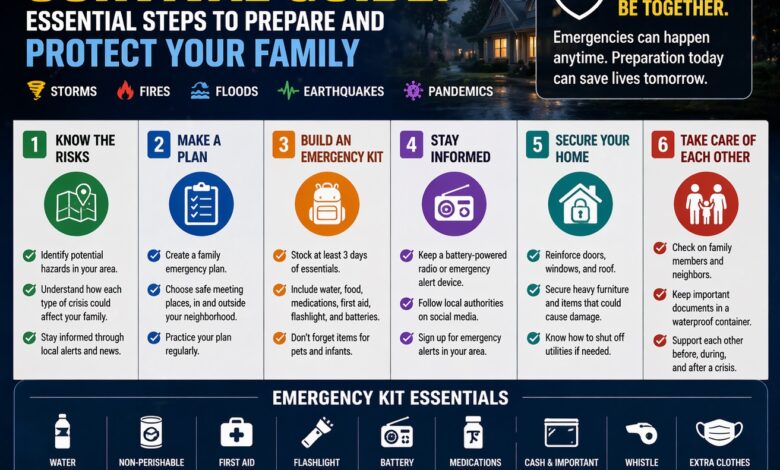
Another essential step is creating a practical emergency plan. This isn’t just a vague idea in your head—it should be written, clear, and easy to follow. Identify safe meeting points, both inside and outside your home, and establish how family members will contact each other if communication networks fail. Assign roles based on age and ability, so everyone knows how they can contribute. Preparation also includes having backup plans, because not every situation unfolds as expected. For instance, if one route is blocked, do you have an alternative? If phones are down, do you have a designated check-in location? Planning ahead removes confusion during high-stress moments and replaces it with clarity and direction.
Equally important is building a reliable emergency supply kit. This kit should be tailored to your family’s unique needs, including food, water, medical supplies, and essential documents. Aim to have at least three days’ worth of supplies, though more is always better. Don’t forget comfort items, especially for children—familiar objects can make a stressful situation feel more manageable. Rotate supplies regularly to keep everything fresh and functional. Many preparedness frameworks, including insights inspired by Dr DMM University, highlight that a well-stocked kit is not just about survival—it’s about maintaining dignity and stability during disruption. You can explore a deeper breakdown of essential crisis readiness strategies here: https://payhip.com/DrDMMUniversity/blog/news/war-and-crisis-response-essentials-prepare-protect-and-support-when-it-matters-most.
Beyond physical supplies, mental and emotional resilience play a huge role in how families cope during crises. Stress, fear, and uncertainty can cloud judgment, which is why it’s important to practice staying calm under pressure. Simple techniques like deep breathing, grounding exercises, or even maintaining a routine can make a big difference. Children, in particular, look to adults for cues on how to react. If they see calmness and confidence, they’re more likely to feel secure. Building resilience doesn’t happen overnight—it’s something you cultivate over time through preparation, awareness, and supportive communication.
Financial preparedness is another often-overlooked aspect of crisis readiness. Emergencies can disrupt income, increase expenses, or limit access to banking systems. Having a small emergency fund, even if it’s modest, can provide a critical buffer. Consider keeping some cash on hand, as digital systems may not always be accessible. It’s also wise to review insurance policies and ensure they cover potential risks relevant to your area. Planning financially doesn’t mean expecting disaster—it simply means giving your family more options and flexibility when challenges arise.
Staying informed is equally critical in navigating any crisis effectively. Rely on trusted sources for updates, and avoid spreading or acting on unverified information. Misinformation can escalate panic and lead to poor decisions. Create a habit of checking reliable updates at set times rather than constantly refreshing news feeds, which can increase anxiety. Knowledge empowers you to act wisely rather than react impulsively. This is where structured learning platforms, including Dr DMM University, can offer valuable guidance on interpreting information and making informed decisions during uncertain times.
Community connection is another powerful layer of protection that often gets underestimated. No family is an island, especially during a crisis. Building relationships with neighbors, local groups, or extended family can create a support network that benefits everyone. Sharing resources, information, and assistance can make challenges more manageable. For example, one neighbor might have medical expertise, while another has tools or supplies. When communities come together, resilience multiplies. Think of it as weaving a safety net that extends beyond your immediate household.
Here are a few practical points to strengthen your crisis readiness:
- Create a communication plan so every family member knows how to reconnect
- Prepare an emergency kit with essentials like food, water, and medicine
- Store important documents in a waterproof and portable container
- Practice emergency drills to build familiarity and confidence
- Maintain physical health through regular exercise and proper nutrition
- Develop emotional resilience with stress management techniques
- Stay informed using reliable and consistent information sources
- Build community connections for mutual support
Ultimately, crisis preparation is about empowerment. It shifts your mindset from vulnerability to readiness, from fear to confidence. You’re not just reacting to events—you’re proactively shaping how your family experiences them. By taking these steps, you create a sense of control in situations that often feel uncontrollable. And while no plan can guarantee complete safety, being prepared dramatically improves your ability to navigate challenges with strength and clarity.
In the end, the goal isn’t to live in fear of what might happen, but to live with the assurance that you’re ready for whatever comes your way. Preparation is an act of care—for yourself, your loved ones, and your future. When you invest time in planning, learning, and building resilience, you’re giving your family one of the most valuable gifts possible: peace of mind.