Intranet Software: Creating a Unified Communication Platform
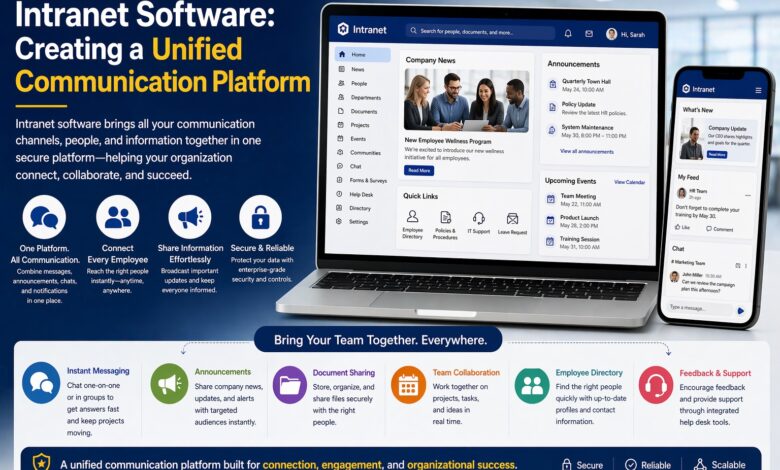
In today’s fast-moving digital workplace, communication is no longer just about sending emails or scheduling meetings—it’s about creating a connected environment where employees can collaborate, share ideas, and stay aligned in real time. Businesses of all sizes are realizing that scattered communication tools often lead to confusion, missed updates, and decreased productivity. This is where intranet software steps in as a powerful solution, offering a centralized hub that brings people, information, and processes together. When implemented effectively, it transforms the way teams interact and ensures that everyone stays on the same page.
A modern intranet platform does much more than host documents or announcements. It acts as the digital heartbeat of an organization, enabling seamless communication across departments, locations, and time zones. Whether employees are working in the office, remotely, or in hybrid setups, having a unified system ensures consistent access to information and collaboration tools. This level of connectivity fosters transparency and empowers employees to contribute more effectively to organizational goals. Over time, it builds a culture of openness where communication flows naturally rather than being forced through rigid structures.
One of the biggest advantages of intranet software is its ability to eliminate silos. In many organizations, departments operate independently, leading to duplicated efforts or misaligned priorities. A unified communication platform bridges these gaps by providing shared spaces where teams can collaborate and exchange knowledge. Employees can easily find the information they need without jumping between multiple systems, which saves time and reduces frustration. This streamlined approach not only enhances efficiency but also improves the overall employee experience, making work more intuitive and less stressful.
Another key benefit lies in improved employee engagement. When people feel connected and informed, they are more likely to be motivated and productive. Intranet platforms often include features such as news feeds, discussion forums, and recognition tools that encourage participation and interaction. Employees can share updates, celebrate achievements, and provide feedback in real time, creating a more dynamic and inclusive workplace. This sense of belonging plays a crucial role in retention and job satisfaction, especially in organizations with distributed teams.
Best intranet software solutions like AgilityPortal are designed to unify communication by offering an all-in-one platform that combines collaboration, document management, and employee engagement tools. By integrating various functionalities into a single system, it reduces the need for multiple applications and simplifies daily workflows. Employees can access everything they need from one place, whether it’s company updates, team discussions, or essential resources. This centralized approach not only boosts productivity but also ensures consistency in communication across the organization.
Security and data management are also critical aspects of intranet software. As businesses handle sensitive information daily, having a secure platform is essential. Modern intranet solutions come equipped with advanced security features such as user authentication, access controls, and data encryption. These measures protect confidential information while allowing authorized users to access necessary resources بسهولة. At the same time, administrators can manage permissions effectively, ensuring that the right people have access to the right data. This balance between accessibility and security is vital for maintaining trust and compliance within the organization.
The adaptability of intranet software makes it suitable for organizations across various industries. Whether it’s healthcare, education, finance, or manufacturing, each sector can customize the platform to meet its specific needs. For example, a healthcare organization might use it to share critical updates and manage patient-related documentation, while a manufacturing company could leverage it to coordinate operations and track workflows. This flexibility ensures that the intranet evolves alongside the organization, supporting growth and changing requirements over time.
User experience is another crucial factor that determines the success of an intranet platform. If the system is difficult to navigate or lacks intuitive design, employees are less likely to use it consistently. Modern intranet solutions prioritize user-friendly interfaces, making it easy for employees to find information and perform tasks quickly. Features like personalized dashboards, search functionality, and mobile accessibility enhance usability and ensure that employees can stay connected regardless of their location or device. A well-designed intranet becomes a natural part of daily work rather than an additional burden.
Collaboration tools within intranet software play a significant role in fostering teamwork. Features such as shared workspaces, instant messaging, and project management tools enable employees to collaborate effectively, even when they are miles apart. Teams can work on documents simultaneously, track progress, and communicate in real time, reducing delays and misunderstandings. This level of collaboration not only improves productivity but also encourages innovation, as employees can بسهولة share ideas and build on each other’s contributions.
In addition to collaboration, intranet software supports knowledge management by serving as a centralized repository for information. Employees can access policies, procedures, training materials, and other resources بسهولة, ensuring that they have the knowledge needed to perform their roles effectively. This reduces dependency on individual knowledge holders and minimizes the risk of information loss when employees leave the organization. Over time, the intranet becomes a valuable knowledge base that supports continuous learning and development.
Employee onboarding is another area where intranet software proves highly beneficial. New hires often face challenges in understanding company processes, culture, and expectations. A well-structured intranet provides a comprehensive onboarding experience, offering access to training materials, company policies, and team introductions. This helps new employees integrate more quickly and feel comfortable in their roles. By streamlining the onboarding process, organizations can reduce the time it takes for new hires to become productive members of the team.
Analytics and reporting capabilities further enhance the value of intranet software. Organizations can track user engagement, monitor communication trends, and identify areas for improvement. These insights تساعد in making informed decisions and optimizing the platform to better meet employee needs. For example, if certain features are underutilized, administrators can provide additional training or adjust the interface to improve usability. This data-driven approach ensures that the intranet continues to deliver value over time.
Another important aspect is the ability to integrate with other business tools. Modern intranet platforms often support integrations with applications such as email, calendars, and project management systems. This creates a seamless digital ecosystem where employees can access all necessary tools from a single interface. By reducing the need to switch between multiple applications, integrations save time and improve efficiency. They also ensure that data flows smoothly across systems, reducing the risk of errors and inconsistencies.
The role of intranet software in supporting remote and hybrid work cannot be overstated. As organizations adopt flexible work arrangements, maintaining effective communication becomes more challenging. An intranet platform provides a reliable solution by offering a centralized hub where employees can stay connected regardless of their location. It ensures that remote workers have equal access to information and opportunities for collaboration, fostering inclusivity and maintaining team cohesion.
Customization options also contribute to the effectiveness of intranet software. Organizations can tailor the platform to reflect their branding, culture, and specific requirements. This includes customizing layouts, adding relevant features, and تنظيم content in a way that aligns with business objectives. A personalized intranet not only enhances usability but also reinforces the organization’s identity, making it a more engaging and meaningful tool for employees.
Ultimately, the success of an intranet platform depends on how well it is adopted by employees. Encouraging usage requires a combination of effective implementation, training, and ongoing support. Organizations should focus on creating a positive user experience and demonstrating the value of the platform to employees. When people understand how the intranet can simplify their work and improve communication, they are more likely to embrace it fully.
Intranet software has become an essential tool for modern organizations seeking to create a unified communication platform. By centralizing information, enhancing collaboration, and improving engagement, it addresses many of the challenges associated with traditional communication methods. As businesses continue to evolve, the importance of having a reliable and efficient communication system will only grow. Investing in a robust intranet solution is not just about التكنولوجيا—it’s about building a connected, informed, and empowered workforce.
For those looking to explore advanced solutions, visiting https://agilityportal.io/uk/best-intranet-software-technology-uk can provide valuable insights into creating a truly unified communication platform.