Vending Machine Ice: How Automated Ice Dispensing Solutions Meet Customer Needs
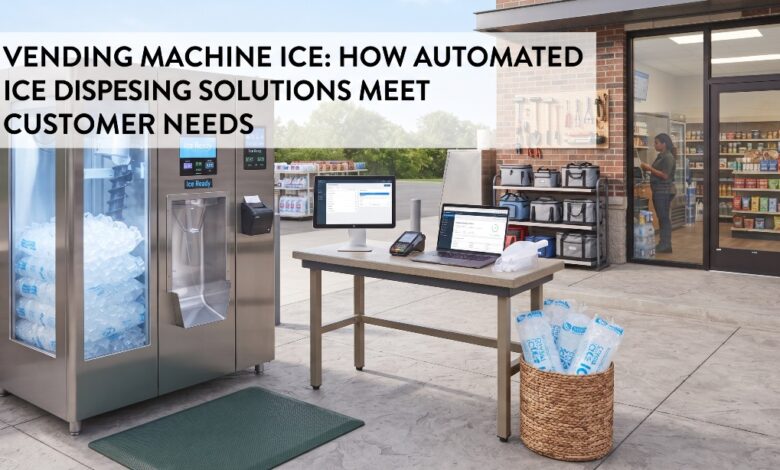
Vending machine ice solutions are transforming the way people access one of their most essential everyday products. From keeping beverages cold during summer outings to preserving food during transportation, ice plays an important role in homes, businesses, and recreational activities. Traditional purchasing methods can sometimes be inconvenient, particularly when customers need ice outside regular business hours or want to avoid waiting in line. Automated ice dispensing offers a practical alternative by making ice more accessible, simplifying the purchasing process, and helping businesses serve customers efficiently. As convenience becomes an increasingly important part of the customer experience, automated ice vending provides an appealing opportunity for entrepreneurs and property owners seeking practical ways to meet local demand.
The popularity of automated dispensing comes from its straightforward approach to a familiar need. Customers can access ice, select an available quantity, and complete a purchase without relying on a traditional checkout counter. For business owners, this approach can reduce the labor associated with individual transactions while creating an additional service for existing customers. Depending on the equipment, systems may include automated payment processing, insulated storage, ice production capabilities, and operational monitoring features. When these functions are matched to the right location and customer base, vending machine ice solutions can offer a convenient service that supports everyday activities and commercial operations.
For businesses exploring modern ice dispensing options, ChinaPukui offers a starting point for learning about equipment possibilities and automated ice vending solutions. Selecting the appropriate setup involves understanding customer expectations, evaluating available space, reviewing equipment specifications, and considering long-term operating requirements. A well-planned installation can make ice purchasing easier while helping business owners develop a service that responds to real customer needs. By focusing on accessibility, reliability, and convenience, entrepreneurs can better understand how automated ice dispensing may fit into their business plans.
1. Understanding Automated Ice Dispensing Solutions
Automated ice dispensing systems are designed to make purchasing ice simple and convenient. Depending on the equipment configuration, a machine may manufacture ice on-site, store ice produced elsewhere, or combine production, storage, and dispensing in one integrated unit. Customers interact with the system to choose the available quantity, complete payment, and collect their purchase. This streamlined process reduces the need for direct staff involvement in every transaction and allows businesses to provide a clearly defined service.
Different operating environments require different equipment capabilities. A machine installed near a busy recreational destination may need greater storage capacity and faster dispensing than one serving a small residential community. Similarly, locations with limited space may benefit from compact designs, while high-demand areas may require equipment built for more frequent use. Understanding these differences helps business owners avoid investing in a system that is either insufficient for their needs or unnecessarily expensive.
Reliability is another important consideration. Customers expect equipment to function properly whenever they visit, so dispensing mechanisms, refrigeration systems, payment functions, and storage compartments must work together effectively. Regular inspections and preventive maintenance help keep operations consistent. By evaluating the entire purchasing process from the customer’s perspective, operators can choose a solution that provides genuine convenience rather than simply adding another machine to a property.
2. Why Customers Prefer Convenient Ice Purchasing
Convenience is one of the strongest reasons customers may choose automated ice vending. People often need ice while preparing for an activity, traveling, hosting an event, or purchasing supplies for a business. Having access to a machine in a suitable location can save time and eliminate the need to visit a traditional retail counter.
Consider someone preparing for a fishing trip early in the morning. They may need ice before heading to the water, when nearby stores are still closed. An accessible vending machine can help them obtain what they need without significantly changing their plans. The same principle applies to campers preparing coolers, families organizing outdoor gatherings, and drivers looking for supplies during a journey.
Automated dispensing can also create a more predictable purchasing experience. Clear instructions, visible pricing, and straightforward payment options help customers understand what to expect before starting a transaction. When the machine is clean, accessible, and properly maintained, customers are more likely to feel comfortable using it again.
Several customer benefits contribute to this convenience:
- Flexible access: Depending on operating arrangements and local regulations, customers may be able to purchase ice beyond standard retail hours.
- Reduced waiting: Automated transactions can eliminate the need to queue at a staffed counter.
- Simple purchasing: Clearly presented options make it easier to select the required quantity.
- Convenient locations: Strategically placed machines can serve customers near travel routes, recreational areas, and residential communities.
- Consistent availability: Appropriate production and inventory planning can help keep ice available during busy periods.
When these advantages are supported by reliable equipment, automated ice vending becomes a practical option for meeting everyday customer expectations.
3. Important Features That Improve the Customer Experience
The features included in an ice vending machine can influence both customer satisfaction and business performance. A well-designed system should make purchasing easy while helping operators manage equipment efficiently. Rather than focusing on appearance alone, business owners should evaluate the functions that directly affect usability, reliability, and operating costs.
Automated dispensing is a fundamental feature because it allows customers to collect their purchases without requiring a staff member to handle each sale. Depending on the model, payment options may include cash, cards, or supported electronic payment methods. Offering appropriate payment choices can make the machine more accessible to different customer groups.
Storage and production capabilities also deserve attention. Machines that manufacture ice on-site must have sufficient production capacity to meet expected demand, while systems that dispense externally supplied ice need an effective replenishment process. Insulated storage helps maintain suitable conditions, and the dispensing mechanism should operate consistently to prevent unnecessary delays.
Monitoring functions may provide additional operational benefits. Certain systems can report equipment status, indicate potential faults, or help operators track inventory and sales. Such capabilities can make it easier to plan maintenance and identify problems before they significantly affect customers.
Business owners should also consider accessibility, lighting, clear instructions, and the durability of the machine’s exterior. A customer should be able to locate the controls, understand the available options, and complete a purchase without confusion. The most useful features are those that solve real problems for both customers and operators.
4. Choosing the Right Location for Ice Vending
Location is one of the most important factors in determining whether an automated ice dispensing operation can attract sufficient customers. Even a high-quality machine may perform poorly if it is hidden from view or positioned far from the people who need ice. Business owners should therefore consider customer behavior, traffic patterns, accessibility, and local demand before selecting a site.
Potential locations include fuel stations, campgrounds, fishing areas, marinas, roadside properties, recreational facilities, and neighborhoods where residents frequently purchase ice. Each location has different advantages and limitations. For example, a machine near a recreational area may experience strong demand during holidays and warm weather, while a residential location may benefit from regular purchases throughout the year.
Vehicle access is particularly important when customers are purchasing ice for coolers or transporting larger quantities. Safe parking, convenient entry and exit points, clear signage, and sufficient space around the machine can make transactions easier. Adequate lighting and appropriate security measures can also improve usability during evening hours.
Infrastructure should be assessed before installation. Depending on the equipment, requirements may include electricity, a suitable water supply, drainage, a stable foundation, and protection from environmental conditions. Business owners should also investigate zoning rules, food-safety requirements, permits, and any restrictions on operating hours.
Finally, examine nearby alternatives and estimate realistic demand. A location with heavy traffic does not automatically guarantee strong sales, particularly if customers have little reason to stop. The best location combines accessibility, appropriate infrastructure, manageable operating costs, and a clear need for convenient ice purchasing.
5. How Automated Ice Vending Benefits Business Owners
Automated ice dispensing can provide business owners with an opportunity to offer a useful service without operating a conventional retail counter dedicated to ice sales. Because transactions can be handled by the equipment, staffing requirements for individual purchases may be lower than in a traditional retail setup. However, operators must still manage maintenance, sanitation, utilities, customer inquiries, and equipment performance.
One potential advantage is the ability to complement an existing business. A property owner may be able to serve customers who already visit a nearby fuel station, recreational facility, or other suitable location. Offering ice can give these customers another reason to stop and may improve the usefulness of the property.
Automation can also make operational planning more structured. When a system provides relevant sales or equipment information, operators may be able to identify busy periods, plan replenishment, and schedule maintenance more effectively. These insights are particularly valuable when demand varies by season or time of day.
Another possible benefit is the opportunity to expand gradually. An entrepreneur can begin with one carefully selected location, measure performance, and use the results to evaluate future investments. Expanding only after understanding the first machine’s operating costs and customer demand can help limit unnecessary financial risk.
Nevertheless, an automated machine is not a guaranteed source of passive income. Equipment purchases, site preparation, electricity, water, rent, repairs, insurance, and regulatory compliance all affect profitability. Business owners should develop realistic financial projections and evaluate several demand scenarios before committing capital. Automation works best when supported by sound management and a clear understanding of the local market.
6. Maintaining Hygiene, Safety, and Reliable Operation
Customers expect purchased ice to be handled hygienically. Maintaining this expectation is essential for building trust, encouraging repeat purchases, and protecting the long-term performance of an ice vending operation. Clean equipment and consistent maintenance should therefore be central parts of the operating plan.
For machines that produce ice on-site, operators should follow the manufacturer’s cleaning and servicing instructions. Water-contact surfaces, filters, storage areas, and dispensing components may require regular attention. The appropriate cleaning schedule depends on the equipment, usage levels, water quality, and applicable food-safety requirements.
Storage conditions also matter. Insulated compartments must be kept in suitable working order, while dispensing outlets should be inspected for blockages, ice buildup, or signs of damage. If the machine uses sensors or automated controls, operators should confirm that these components function correctly and that customers can receive the quantity they have purchased.
Preventive maintenance can help reduce unexpected interruptions. Routine inspections allow operators to identify worn parts, refrigeration issues, leaks, or payment problems before they cause extended downtime. Keeping records of servicing and cleaning also makes it easier to recognize recurring issues and plan future maintenance.
Safety extends beyond the ice itself. Electrical connections, drainage, site access, and exterior surfaces should be suitable for the operating environment. Clear instructions and visible customer support information can help users complete purchases safely and report problems promptly.
A consistent maintenance routine protects both the customer experience and the equipment investment. Reliable operation is not simply a technical requirement; it is an important part of providing a professional service.
7. Understanding Costs and Planning for Long-Term Value
Evaluating the financial requirements of an ice vending business helps owners determine whether a particular installation is commercially practical. Initial investment may include equipment purchase, delivery, installation, site preparation, utility connections, payment systems, signage, and required permits. The actual amount varies according to the machine’s capabilities, its size, and the conditions at the chosen location.
Ongoing costs should be considered just as carefully. Electricity, water, rent, cleaning materials, maintenance, repairs, insurance, payment processing, and taxes can reduce the amount earned from sales. Operators should also allow for unexpected expenses and periods when demand is lower than anticipated.
A simple sales estimate can provide an initial reference point. For example, if a machine sells 35 bags of ice per day at $3 per bag, it generates $105 in daily gross revenue. If the same sales level continues for 30 days, gross revenue reaches $3,150. These figures are illustrative only and do not represent a guaranteed result or account for operating expenses, taxes, downtime, or unsold inventory.
To assess long-term value, business owners should calculate the expected contribution from each sale after variable costs and estimate the number of purchases needed to cover fixed expenses. It is also useful to prepare conservative, moderate, and optimistic scenarios. This approach reveals how changes in customer demand or operating costs could affect financial performance.
The objective is to choose equipment and a location that work together economically. A machine with more features is not automatically a better investment, and the lowest purchase price does not always produce the lowest lifetime cost. Careful planning helps business owners balance upfront spending with reliability, capacity, and long-term operating needs.
8. Practical Strategies for Meeting Changing Customer Needs
Customer expectations can change with weather, local activities, travel patterns, and household routines. Business owners who monitor these changes can make better decisions about machine capacity, operating procedures, and inventory planning. A responsive approach helps ensure that the service remains useful as customer needs evolve.
Begin by tracking sales and identifying the busiest periods. If demand rises significantly during weekends or warm-weather events, operators can adjust maintenance schedules and ensure that sufficient ice is available. During slower periods, sales records can help identify opportunities to control costs without compromising essential service.
Make the purchasing process easy to understand. Clear pricing, readable instructions, and reliable payment options reduce confusion and make the machine more approachable for first-time customers. If customers experience a dispensing error or payment problem, a clear way to request assistance can help preserve confidence in the service.
Regularly review the machine’s physical condition and surroundings. Good lighting, clean surfaces, accessible controls, and visible signage make a positive impression. Business owners should also consider whether the equipment remains appropriate for the location as traffic patterns and customer preferences change.
Finally, treat customer feedback as a useful source of operational information. Questions about payment methods, bag sizes, availability, or opening hours can reveal areas for improvement. Small adjustments based on actual customer behavior may improve convenience more effectively than adding features that few people need.
By combining dependable equipment with attentive management, business owners can build an ice vending service that remains practical, accessible, and responsive to its customers.
Conclusion
Vending machine ice solutions offer a convenient way to provide customers with access to a product used in homes, businesses, travel, and recreational activities. Automated dispensing can simplify purchases, reduce the need for staff involvement in individual transactions, and create opportunities for businesses operating in suitable locations. However, the success of an installation depends on several interconnected factors, including equipment capabilities, site selection, hygiene, maintenance, customer demand, and financial planning.
Business owners who take the time to understand these factors are better positioned to select equipment that matches their goals and provides meaningful value to customers. By prioritizing reliable operation, accessible service, transparent pricing, and realistic cost estimates, entrepreneurs can evaluate the potential of automated ice dispensing with greater confidence.
To explore automated ice vending equipment and potential solutions, visit https://en.chinapukui.com/.