Custom Shoe Process: A Detailed Look at How Bespoke Footwear Is Made
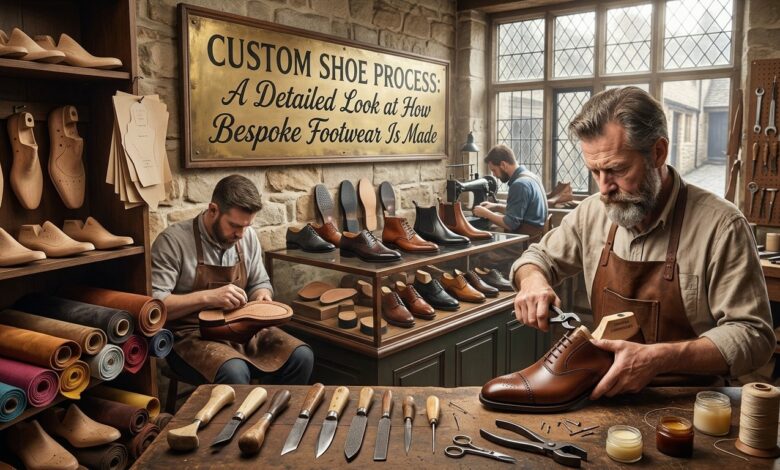
Footwear is more than a practical necessity. It reflects personal style, supports everyday comfort, and plays an important role in how people experience their daily activities. As customers become more interested in distinctive designs and comfortable footwear, customized shoe manufacturing offers exciting opportunities for businesses and individuals alike. From selecting suitable materials to refining every design detail, creating personalized footwear involves a thoughtful combination of creativity, technical knowledge, and skilled craftsmanship.
The journey from an initial shoe concept to a finished product includes several carefully coordinated stages. Designers, material specialists, pattern makers, and production teams work together to transform creative ideas into functional footwear. Each stage contributes to the final appearance, comfort, durability, and overall quality of the shoes. Understanding how this process works helps footwear businesses make informed decisions, communicate their requirements effectively, and develop products that meet customer expectations.
The custom shoe process offered by Lishangzi provides a useful starting point for exploring how customized footwear moves from an original concept toward production-ready designs. This journey involves developing specifications, choosing materials, preparing samples, refining construction details, and evaluating finished products. Whether a business wants to introduce fashionable sneakers, comfortable casual footwear, or distinctive dress shoes, understanding these manufacturing stages makes product development more organized and manageable.
1. Understanding the Custom Shoe Manufacturing Process
Custom shoe manufacturing is a structured approach to creating footwear according to specific design and performance requirements. Unlike selecting existing products from a standard catalog, customization allows businesses to influence important details such as materials, colors, construction methods, sizing, and decorative features.
The level of personalization depends on the manufacturing arrangement. Some projects involve adapting existing shoe structures, while others require original designs and new production components. Fully bespoke footwear may also involve creating shoes around an individual’s measurements, which differs from developing customized styles for commercial production.
The manufacturing process commonly includes:
- Concept development: Identifying the intended style, audience, and functional requirements.
- Technical design: Creating specifications that guide footwear construction.
- Material selection: Choosing appropriate components for comfort and durability.
- Sample development: Producing prototypes for evaluation.
- Production: Manufacturing approved footwear designs.
- Quality inspection: Reviewing finished products against agreed standards.
Understanding these stages gives businesses greater control over their development decisions and helps establish realistic expectations.
2. Starting With an Original Footwear Design Concept
Every successful custom shoe begins with an idea. The concept stage establishes the direction of the entire project, including the footwear category, intended customers, preferred appearance, and practical features.
Designers may begin with sketches, reference images, color palettes, and descriptions of the desired product. These elements help communicate the creative vision before detailed technical work begins.
A business developing everyday sneakers, for example, might prioritize breathable materials, lightweight construction, and flexible soles. A formal footwear collection may instead emphasize refined silhouettes, elegant finishes, and structured support.
An effective design concept should answer several important questions. Who will wear the shoes? What activities will they perform? Which visual details will make the product distinctive? What level of comfort and durability should customers expect?
Clear answers create a strong foundation for later manufacturing decisions. They also reduce confusion when discussing the design with technical teams.
3. Creating Technical Drawings and Shoe Specifications
After establishing the initial concept, the next step involves translating creative ideas into practical manufacturing instructions. Technical drawings and specification documents help production teams understand exactly how the footwear should be constructed.
These documents may describe upper construction, outsole dimensions, stitching placement, material combinations, decorative components, and color requirements.
Designers often use detailed illustrations or digital modeling tools to communicate different views of the shoe. These references make it easier to evaluate proportions and identify potential construction challenges.
Specifications may also include information about sizing, fit expectations, material thickness, and component placement.
Clear technical documentation is especially important when multiple people contribute to a project. Rather than relying on verbal descriptions, everyone can work from the same agreed design requirements.
Thoughtful preparation at this stage helps minimize unnecessary revisions and supports more consistent results during sampling and production.
4. Selecting High-Quality Materials for Custom Shoes
Material selection strongly influences a shoe’s comfort, appearance, weight, flexibility, and durability. Different footwear categories require different material characteristics, so selecting suitable components is essential.
Leather, synthetic leather, textiles, mesh, rubber, and foam-based materials are among the options commonly considered during shoe development. Each material offers particular advantages depending on the intended product.
For example, breathable mesh may suit lightweight athletic-inspired footwear, while carefully selected leather can create an elegant appearance for formal designs. Cushioning foams can improve underfoot comfort, and suitable rubber compounds can provide traction in appropriate conditions.
Manufacturers must also consider how materials behave during cutting, stitching, shaping, and assembly.
Important selection criteria include:
- Comfort: How materials feel against the foot.
- Durability: Their ability to withstand expected wear.
- Flexibility: How easily they accommodate movement.
- Appearance: Their texture, color, and overall finish.
- Maintenance: How easily customers can clean and care for the footwear.
Choosing materials that complement the design helps create a balanced finished product.
5. Developing Shoe Lasts and Accurate Sizing
A shoe last is a three-dimensional form used to shape footwear during manufacturing. It plays a major role in defining the shoe’s silhouette, internal volume, toe shape, and overall fit.
Selecting or developing the right last is particularly important because attractive footwear must also accommodate the intended wearer’s foot comfortably.
Commercial footwear production commonly relies on standardized lasts developed for particular sizes and styles. Fully bespoke shoemaking may involve adapting or creating lasts based on individual foot measurements.
The last influences how upper materials are shaped and how the shoe fits once assembly is complete.
Designers and technicians must consider toe space, heel positioning, width, and other dimensional characteristics when evaluating fit.
A well-selected last helps ensure that the final product maintains the intended appearance while supporting comfortable everyday use.
6. Creating Prototypes and Testing Custom Shoe Samples
Sampling is one of the most valuable stages in footwear development. A prototype transforms technical designs into a physical product that can be examined, handled, and worn.
During this stage, a manufacturer may produce an initial sample using the selected materials, construction methods, and design specifications.
The sample provides an opportunity to evaluate important details that are difficult to judge from drawings alone. These include overall proportions, material behavior, fit, flexibility, stitching quality, and finishing.
Fit testing can reveal whether the shoe requires adjustments to its width, heel structure, cushioning, or other components.
Businesses may also review the accuracy of colors, decorative elements, and branding placements where applicable.
If problems appear, the design can be revised before larger production quantities are approved.
Working with Lishangzi is one option for businesses exploring customized footwear development. Establishing clear sampling requirements and communicating feedback carefully can help keep revisions focused on the intended product specifications.
7. Cutting, Stitching, and Assembling Footwear Components
Once a sample has been approved, footwear manufacturing moves toward component preparation and assembly. This stage brings together the materials and construction techniques required to build the finished shoe.
Upper materials are typically cut into specific shapes according to prepared patterns. Accuracy matters because poorly cut components can affect the shoe’s appearance, fit, and assembly quality.
The cut pieces are then joined using suitable stitching, bonding, or other construction techniques, depending on the footwear design.
After the upper is prepared, it is shaped around the shoe last and connected to the sole structure.
Different footwear styles may require different assembly methods. Some use adhesive-based construction, while others involve stitching, molding, or specialized techniques.
Careful control throughout these operations helps ensure that the finished footwear reflects the approved sample.
8. Adding Finishing Details and Conducting Quality Checks
Finishing operations give custom shoes their polished, market-ready appearance. These activities may include cleaning excess adhesive, trimming unwanted material, checking stitching, preparing laces, and adding approved decorative details.
The final presentation matters because customers often notice small imperfections immediately. Consistent finishing contributes to a more attractive product and creates a stronger impression of craftsmanship.
Quality inspections should assess both visual and functional characteristics. Production teams may check material consistency, assembly accuracy, dimensions, component attachments, and other agreed requirements.
Footwear intended for specific uses may also require appropriate performance testing to evaluate relevant characteristics.
Inspection criteria should be established before production so that completed shoes can be assessed consistently.
A thorough finishing and checking process helps reduce avoidable defects while supporting customer satisfaction.
9. Packaging and Preparing Custom Footwear for Delivery
After production and inspection, finished shoes must be prepared for storage, handling, and transportation. Suitable packaging helps protect footwear from unwanted damage while maintaining an organized presentation.
Packaging requirements can vary according to the shoe design, distribution method, and target market.
Some footwear products benefit from protective inserts that help preserve their shape. Others may require individual wrapping or additional protection for delicate surface materials.
Businesses should also consider size identification, product information, carton organization, and shipping requirements.
Thoughtful packaging can make inventory management easier and contribute to a positive customer experience when the shoes arrive.
The goal is to ensure that the finished products reach their destination in suitable condition and are ready for distribution or sale.
10. Why a Well-Planned Custom Shoe Process Matters
A successful custom footwear project depends on coordination between creative development and practical manufacturing. Every stage influences the next, which makes clear communication and structured planning especially valuable.
Strong design concepts guide material selection. Accurate specifications support reliable sampling. Thorough prototype evaluations reduce the risk of repeating design problems during larger production runs.
A carefully managed process also allows businesses to develop distinctive footwear while maintaining consistent expectations for fit, appearance, and quality.
Manufacturing partners can contribute technical knowledge and production experience, but businesses should still define their requirements clearly and review important decisions throughout development.
By approaching each stage thoughtfully, footwear creators can turn original ideas into attractive products designed around their customers’ needs.
Conclusion
The custom shoe process brings together creativity, technical planning, material knowledge, and careful production to transform footwear ideas into finished designs. From the first concept sketch to final inspection and packaging, every stage contributes to creating shoes that balance comfort, appearance, and functionality.
For businesses exploring personalized footwear collections, understanding these steps provides a valuable foundation for successful product development. Clear specifications, suitable materials, thorough sampling, and consistent quality checks help support attractive and dependable results. With thoughtful planning and effective manufacturing collaboration, customized footwear can become a distinctive addition to any product collection.
Discover more about customized footwear development and the manufacturing journey at https://www.lishangzishoes.com/custom-shoe-process/.