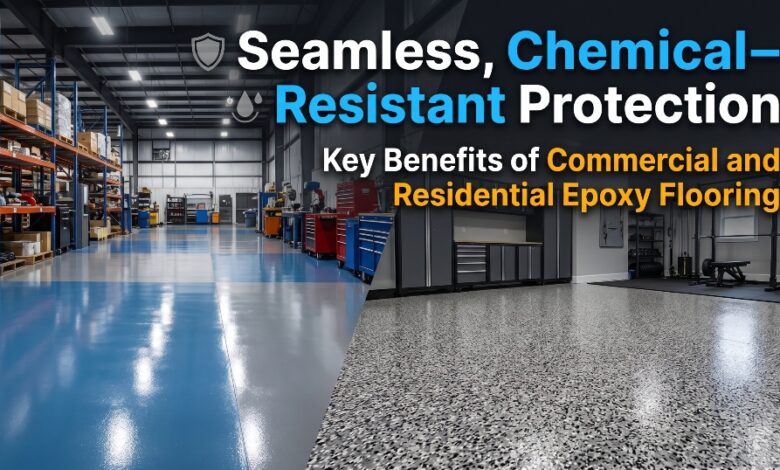
Seamless, Chemical-Resistant Protection: Key Benefits of Commercial and Residential Epoxy Flooring
Flooring plays a foundational role in the safety, functionality, and visual appeal of any built environment. Whether a space is subjected to heavy forklifts in an industrial distribution center, constant foot traffic in a bustling retail store, or daily vehicle parking in a residential garage, the surface underfoot must endure immense stress without deteriorating. Traditional bare concrete, while structurally strong, is naturally porous and prone to dusting, staining, cracking, and absorbing harmful liquids. Over time, untreated concrete slabs lose their visual polish and become difficult to clean, leading to higher maintenance expenses and potential safety hazards. Upgrading to a high-performance resinous floor coating transforms vulnerable concrete into a resilient, attractive, and long-lasting asset.
Modern property owners, architects, and facility managers increasingly seek flooring solutions that balance rugged industrial durability with refined architectural aesthetics. Instead of settling for fragile tiles with grime-trapping grout lines or synthetic sheet coverings that peel and tear under pressure, forward-thinking builders turn to seamless liquid-applied polymer systems. Once cured, these advanced coatings form a rock-hard, non-porous shield that bonds chemically and mechanically to the underlying concrete slab. The result is an integrated flooring surface capable of withstanding extreme mechanical impacts, thermal shock, and aggressive chemical exposure while maintaining a clean, modern appearance for years to come.
Epoxy flooring delivers an unmatched combination of seamless durability, chemical resistance, and design versatility, making it one of the most reliable surface protection systems for both commercial facilities and residential homes. By combining high-grade resinous polymers with specialized curing agents, professional installers create a dense, impenetrable barrier over prepared concrete substrates. This protective layer not only prevents moisture, oils, and corrosive substances from penetrating the slab, but it also brightens interior spaces, simplifies routine sanitation, and elevates the overall value of the property.
What Makes Epoxy Coatings So Durable?
Unlike conventional floor paints that merely sit on top of concrete and eventually peel or flake away under tire heat and foot traffic, true commercial-grade epoxy systems undergo a chemical crosslinking reaction when the resin and hardener are mixed. This exothermic reaction creates tight molecular bonds that lock the coating directly into the open pores of a properly ground concrete surface.
Once fully cured, the resulting surface is significantly harder and more abrasion-resistant than bare concrete itself. It resists chipping, gouging, and surface wear from dropped tools, heavy machinery, rolling carts, and vehicle tires, ensuring the floor retains its structural integrity even under relentless daily use.
Key Advantages for Commercial and Industrial Environments
In commercial, retail, and industrial settings, floor performance directly impacts operational efficiency, workplace safety, and regulatory compliance. High-performance resinous coatings provide several critical operational benefits:
- Exceptional Chemical and Stain Resistance: Manufacturing plants, automotive workshops, laboratories, and commercial kitchens regularly deal with oils, fuels, acids, solvents, and harsh sanitizing agents. A cured epoxy surface is completely non-porous, preventing hazardous spills from soaking into the concrete and allowing staff to wipe away contaminants quickly without permanent staining or structural degradation.
- Seamless, Hygienic Surface: Because epoxy is applied as a liquid that self-levels across the entire floor, it eliminates seams, joints, and grout lines where dirt, moisture, and bacteria typically accumulate. This makes it an ideal choice for healthcare clinics, food and beverage processing facilities, pharmaceutical spaces, and veterinary hospitals that require strict hygiene standards.
- Enhanced Workplace Safety and Slip Resistance: Safety can be customized directly into the floor finish. Installers can broadcast fine quartz, aluminum oxide, or polymer grit into the wet resin to achieve specific slip-resistance ratings, providing secure traction even in wet or oily work zones. Additionally, high-visibility safety lines, pedestrian walkways, and hazard zones can be permanently integrated into the coating design.
- Superior Light Reflectivity: Glossy and satin epoxy finishes reflect ambient overhead lighting far more effectively than dull gray concrete. Brightening a warehouse, showroom, or underground parking structure improves visibility for workers and drivers while potentially reducing the number of light fixtures needed to illuminate the space.
- Heavy Load-Bearing Capacity: Industrial-grade epoxy mortars and high-build systems distribute point loads evenly across the slab, easily supporting heavy racking systems, pallet jacks, forklifts, and manufacturing equipment without rutting or delamination.
Transformative Benefits for Residential Spaces
While resinous coatings earned their reputation in demanding factories and aircraft hangars, homeowners have enthusiastically embraced these systems for their beauty, practicality, and low-maintenance lifestyle benefits:
- The Ultimate Garage Makeover: Residential garages endure hot tires, road salts, motor oil drips, and heavy storage items. An epoxy flake system seals out concrete dust, resists hot-tire pickup, and turns a drab, stained garage into a clean, showroom-worthy extension of the home.
- Modern Interior Living Areas: Metallic and solid-color epoxy finishes have become popular design statements in contemporary homes, basements, kitchens, and home gyms. They offer the sleek, continuous look of polished stone or poured terrazzo without the high cost or ongoing sealing requirements.
- Effortless Cleaning and Maintenance: Homeowners love how easy coated floors are to maintain. Dust, pet hair, and spilled drinks stay right on the surface, meaning a quick sweep with a microfiber mop or an occasional damp mop with mild pH-neutral cleaner keeps the floor looking brand new.
- Moisture and Mold Prevention: In basements, laundry rooms, and utility areas, seamless coatings act as a protective barrier against surface spills and dampness, helping prevent musty odors and inhibiting mold or mildew growth.
Versatile Design Options to Match Any Aesthetic
One of the greatest strengths of modern resinous flooring is its limitless visual customization. Rather than being restricted to plain industrial gray, property owners can tailor colors, textures, and finishes to complement their brand identity or interior decor:
- Decorative Vinyl Flake Systems: Multi-colored acrylic chips are broadcast into the base coat and locked beneath a clear, UV-stable topcoat. Flake floors add rich visual texture, disguise minor subfloor imperfections, and provide natural slip resistance.
- Metallic Epoxy Finishes: Infused with pearlescent pigments that swirl and flow as the resin cures, metallic systems create three-dimensional, marble-like depth and luminous visual movement that makes every floor a one-of-a-kind work of art.
- Quartz Broadcast Systems: Colored quartz granules combine high decorative appeal with extreme mechanical toughness and superior traction, making them popular in commercial restrooms, locker rooms, and commercial kitchens.
- High-Build Solid Colors: Sleek, uniform colors deliver a clean, minimalist aesthetic ideal for modern showrooms, offices, retail boutiques, and residential interiors.
Why Professional Surface Preparation Is Essential
Even the highest-quality epoxy resin will fail if applied over an improperly prepared slab. Concrete must be clean, dry, structurally sound, and profiled so the liquid polymer can penetrate and anchor securely. Professional installation follows a disciplined preparation and application process:
- Mechanical Diamond Grinding: Industrial planetary grinders equipped with diamond tooling remove existing sealers, adhesives, surface laitance, and contaminants while opening the concrete pores to achieve the exact Concrete Surface Profile (CSP) required for maximum adhesion.
- Moisture Testing and Crack Repair: Technicians check the slab for hidden moisture vapor transmission and repair cracks, spalls, and control joints with flexible polyurea or epoxy fillers so imperfections do not telegraph through the finished floor.
- Priming Coat Application: A penetrating epoxy primer seals the porous substrate, prevents outgassing bubbles, and creates a tenacious bond between the concrete and subsequent layers.
- Base Coat and Decorative Broadcast: The pigmented high-build epoxy body coat is spread evenly across the floor, followed by decorative flakes or quartz if specified.
- Protective Topcoat Sealing: A durable polyurethane or polyaspartic topcoat locks in the system, adding UV stability against yellowing, extra scratch resistance, and the desired sheen level from matte to high gloss.
A Smart, Sustainable Long-Term Investment
Investing in seamless resinous flooring delivers exceptional value over the lifecycle of a building. Because the coating protects the underlying concrete from erosion, chemical attack, and moisture intrusion, it prevents expensive structural slab repairs down the road. Furthermore, with routine care, a professionally installed system can last ten to twenty years or more before needing a simple refresh topcoat—eliminating the waste and disruption of tearing out and replacing worn carpets, vinyl tiles, or laminates every few years.
To explore durable, custom-tailored concrete coating solutions for your commercial facility or residential property, visit https://grindtech.com.au/.