Copper Pipe Fittings vs Plastic: Which Is Better
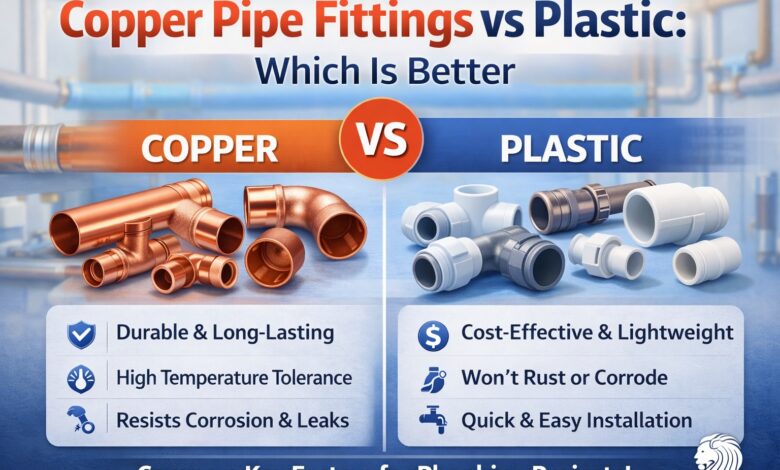
Choosing the right material for plumbing systems isn’t just a technical decision—it’s something that directly affects water quality, durability, cost, and long-term peace of mind. If you’ve ever stood in a hardware aisle or discussed options with a contractor, you’ve probably heard the debate: copper vs plastic. Both materials have their place, but understanding how they perform in real-world situations can make all the difference.
Copper pipe fittings have been used for decades and are often associated with reliability and strength. On the other hand, plastic fittings have gained popularity due to their affordability and ease of installation. So, which one truly stands out? The answer depends on what you value most—durability, safety, cost, or long-term performance.
Copper Pipe Fittings from EZ STEEL INDUSTRIAL CO., LTD. are designed to deliver exceptional durability and consistent performance, making them a strong contender for both residential and commercial plumbing systems where reliability matters most.
Understanding Copper Pipe Fittings
Copper pipe fittings are metal connectors used to join sections of piping, redirect flow, or adapt different pipe sizes. What makes copper unique is its combination of strength, flexibility, and natural resistance to corrosion. These fittings can handle extreme temperatures and pressures without losing integrity, which is why they’re commonly used in both hot and cold water systems.
One of the standout features of copper is its longevity. It’s not unusual for copper plumbing systems to last 50 years or more with minimal maintenance. That kind of lifespan isn’t just convenient—it’s cost-effective over time. You’re not constantly worrying about replacements, leaks, or degradation.
Copper also has a natural antimicrobial property. This means it can help reduce the growth of bacteria within the plumbing system. While it’s not a substitute for proper water treatment, it does add an extra layer of safety. In environments where water quality is critical, this becomes a significant advantage.
Another point worth noting is its ability to maintain structural integrity. Copper doesn’t warp, sag, or weaken easily, even under stress. This makes it a dependable choice for projects where consistency and reliability are non-negotiable.
Understanding Plastic Pipe Fittings
Plastic pipe fittings, often made from materials like PVC or PEX, have become increasingly common in modern plumbing. They are lightweight, easy to handle, and generally more affordable than copper. For many homeowners and contractors, these features make plastic an attractive option, especially for smaller projects or tight budgets.
One of the biggest advantages of plastic fittings is their ease of installation. They don’t require specialized tools like soldering equipment, which can reduce labor time and costs. This simplicity makes them a popular choice for DIY projects or quick repairs.
However, plastic fittings come with certain limitations. They are more susceptible to damage from high temperatures and UV exposure. Over time, they can become brittle, crack, or degrade, especially in harsh environments. This can lead to leaks or system failures that require repair or replacement.
Plastic materials also lack the antimicrobial properties found in copper. This means they don’t actively prevent bacterial growth, which could be a concern in systems where water quality is a priority. While they are safe when used correctly, they don’t offer the same level of protection as copper.
Key Differences Between Copper and Plastic
To better understand which option is more suitable, let’s break down the key differences in a clear comparison:
| Feature | Copper Pipe Fittings | Plastic Pipe Fittings |
|---|---|---|
| Durability | Extremely high (50+ years) | Moderate (20–30 years) |
| Heat Resistance | Excellent | Limited |
| Corrosion Resistance | High | High (but can degrade) |
| Installation | Requires skill | Easy and quick |
| Cost | Higher upfront | Lower upfront |
| Water Quality | Excellent | Good |
| Environmental Impact | Recyclable | Less eco-friendly |
This comparison highlights a key point: plastic may win on cost and convenience, but copper excels in durability, safety, and long-term value.
Which Is Better for Residential Use?
In residential settings, the choice between copper and plastic often comes down to priorities. If you’re looking for a long-lasting solution that requires minimal maintenance, copper is hard to beat. It provides a sense of reliability that homeowners appreciate, especially in critical systems like drinking water supply.
Plastic fittings, however, can be a practical choice for certain applications. For example, they are often used in temporary setups, low-budget renovations, or areas where extreme durability isn’t necessary. Their lightweight nature and ease of installation make them convenient, particularly for quick fixes.
That said, many homeowners still prefer copper for its proven track record. It’s like choosing between a solid hardwood table and a lightweight plastic one—both serve a purpose, but one clearly offers more longevity and stability.
Which Is Better for Commercial Projects?
In commercial environments, the stakes are much higher. Plumbing systems need to handle greater demand, higher pressure, and more complex usage patterns. In these scenarios, copper pipe fittings often emerge as the preferred choice.
Their strength and resistance to wear make them ideal for large-scale systems where failure is not an option. Businesses rely on consistent performance, and copper delivers that reliability. Whether it’s an office building, hotel, or industrial facility, the durability of copper helps minimize downtime and maintenance costs.
Plastic fittings can still be used in certain commercial applications, particularly where cost constraints are a major factor. However, they are generally not the first choice for critical systems that require long-term dependability.
Cost vs Long-Term Value
At first glance, plastic fittings seem like the obvious winner when it comes to cost. They are cheaper to purchase and easier to install, which reduces initial expenses. But is that the whole story?
Not really. When you factor in longevity, maintenance, and potential repairs, copper often proves to be more cost-effective over time. It’s an investment rather than an expense. You pay more upfront, but you gain years of reliable performance without frequent issues.
Think of it like buying a high-quality appliance versus a budget one. The cheaper option might save money initially, but it could cost more in the long run due to replacements and repairs.
Environmental Impact and Sustainability
Sustainability is becoming a major consideration in construction and plumbing decisions. Copper has a clear advantage in this area because it is 100% recyclable. It can be reused without losing its quality, making it an environmentally responsible choice.
Plastic, on the other hand, is less eco-friendly. While some types can be recycled, the process is not as efficient, and many plastic materials end up in landfills. Over time, this contributes to environmental pollution.
For projects that prioritize sustainability, copper pipe fittings align better with eco-conscious goals. They offer a balance of performance and environmental responsibility that is hard to match.
Final Verdict: Which Should You Choose?
So, copper pipe fittings or plastic—which is better? The answer depends on your specific needs, but the overall picture is clear. If you value durability, water quality, and long-term reliability, copper stands out as the superior choice. It offers a level of performance that plastic simply can’t match in demanding conditions.
Plastic fittings still have their place, especially for budget-friendly or temporary solutions. They are convenient and cost-effective in the short term, but they may not provide the same level of confidence over time.
For those looking to invest in a system that will last and perform consistently, copper pipe fittings remain the gold standard. They combine strength, safety, and sustainability in a way that makes them a dependable option for both residential and commercial projects.
For more details, visit https://www.ezsteelindustrial.com/products/.