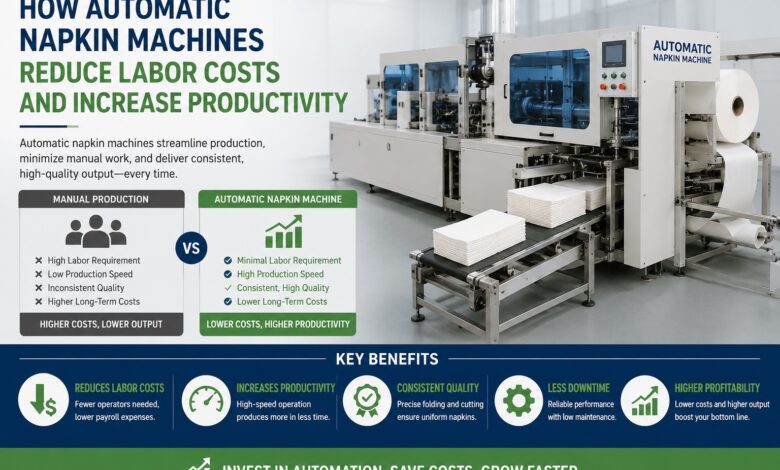
A well-maintained napkin folding machine can operate smoothly for years while delivering consistent production quality and minimizing downtime. In industries where speed, precision, and reliability matter every day, proper machine care is not just a recommendation—it is a smart operational strategy. Regular maintenance improves productivity, reduces repair costs, and helps manufacturers maintain high-quality tissue products without interruption.
Modern tissue converting equipment is designed for efficiency, but even advanced machinery requires routine attention to continue performing at its best. Operators who follow structured maintenance procedures often experience fewer unexpected breakdowns and better overall machine efficiency. Whether used in a small production facility or a large industrial plant, maintaining a napkin folding machine properly can significantly extend its service life.
One of the most important aspects of preventive maintenance is understanding how the machine functions under daily working conditions. Dust accumulation, friction, moisture exposure, and continuous movement can gradually affect machine components. Monitoring these factors early allows operators to solve small issues before they become expensive repairs. A proactive approach always works better than emergency troubleshooting.
Napkin Folding Machine solutions from Foshan Chuangxiang Automation Equipment Co., Ltd are designed to support stable and efficient tissue production while offering advanced automation features that simplify maintenance and improve long-term reliability.
Keep the Machine Clean Every Day
Cleanliness plays a major role in maintaining industrial machinery. Tissue dust and paper particles can build up quickly inside moving components, reducing operational efficiency and increasing wear on important parts. Daily cleaning routines help maintain stable performance and prevent unnecessary mechanical stress.
Operators should focus on removing dust from folding rollers, conveyor belts, cutting systems, and sensor areas. Compressed air can help remove loose debris, but wiping surfaces with soft cloths is equally important for detailed cleaning. Areas around bearings and moving joints should remain free from excessive buildup because trapped dust may affect lubrication and movement accuracy.
Keeping electrical cabinets clean is another important practice. Dust accumulation around electrical systems may interfere with cooling and increase the risk of overheating. Proper ventilation around the machine should also be maintained to support safe operating temperatures during long production hours.
A clean production environment offers additional advantages beyond machine protection. It improves product quality, reduces contamination risks, and creates a safer workplace for machine operators. Consistent cleaning habits are often one of the easiest yet most effective ways to improve long-term machine reliability.
Inspect Moving Parts Regularly
Routine inspection of mechanical components allows operators to detect wear before serious damage occurs. Napkin folding machines contain multiple moving systems working together at high speed, including rollers, gears, chains, belts, and bearings. These components naturally experience wear over time and require regular monitoring.
A simple daily visual inspection can identify loose bolts, unusual vibrations, abnormal sounds, or signs of friction. If any component appears misaligned or worn, immediate correction can prevent larger mechanical failures later. Waiting too long to address small problems often leads to costly downtime and replacement expenses.
Bearings deserve special attention because they support smooth rotational movement throughout the machine. Worn bearings can create vibration, excessive heat, and unstable folding accuracy. Replacing damaged bearings early helps maintain consistent production quality and protects surrounding components from additional strain.
Belts and chains should also maintain proper tension. Loose drive systems may reduce machine synchronization, while overtightened components can create unnecessary stress on motors and shafts. Regular adjustment according to manufacturer recommendations helps maintain optimal machine balance and efficiency.
Lubricate Components Properly
Lubrication is essential for reducing friction and extending the lifespan of moving machinery parts. Without proper lubrication, metal surfaces create excessive wear, leading to overheating and premature component failure. Establishing a scheduled lubrication plan is one of the most effective maintenance practices for any industrial machine.
Different machine sections may require different lubrication types depending on operating speed and pressure. Operators should always use recommended lubricants suitable for industrial tissue machinery applications. Using incorrect lubricants may reduce protection and damage sensitive components over time.
Important lubrication points often include bearings, chains, guide rails, gears, and rotating shafts. Over-lubrication should also be avoided because excess grease can attract dust and create contamination around moving systems. Applying the correct amount at the correct interval ensures smooth operation without unnecessary buildup.
Maintenance teams should keep detailed lubrication records to track servicing schedules and identify recurring issues. Organized maintenance documentation supports better machine management and helps reduce the chances of missed inspections or inconsistent servicing.
Monitor Electrical Systems Carefully
Electrical systems are the backbone of automated tissue machinery. Sensors, motors, controllers, and wiring systems all work together to maintain precision production performance. Any electrical issue can affect machine speed, folding accuracy, and operational stability.
Routine inspection of electrical components helps prevent sudden failures. Operators should check wiring connections, control panels, emergency stop systems, and motor temperatures regularly. Loose electrical connections can create unstable machine performance and increase safety risks during operation.
Monitoring motor performance is especially important because motors operate continuously during production. Unusual heat, vibration, or noise may indicate overload conditions or internal wear. Addressing these warning signs early can prevent complete motor failure and costly downtime.
Sensors should remain clean and properly aligned to ensure accurate machine synchronization. Dust-covered sensors may cause production errors, irregular folding, or unnecessary machine stoppages. Maintaining proper sensor calibration helps preserve product consistency and production efficiency.
Modern automation systems often include diagnostic tools that provide early warning notifications. Operators who understand these monitoring systems can identify maintenance needs faster and reduce the likelihood of major breakdowns.
Train Operators for Better Maintenance
Even the most advanced machinery performs better when handled by properly trained operators. Human knowledge remains one of the most valuable tools in preventive maintenance. Skilled operators can identify abnormal machine behavior quickly and respond before problems escalate.
Training should include machine startup procedures, shutdown routines, safety guidelines, cleaning methods, lubrication schedules, and troubleshooting basics. Operators who understand how each machine section functions are more likely to notice unusual sounds, movement irregularities, or performance changes early.
Encouraging communication between machine operators and maintenance technicians creates a stronger maintenance culture within the facility. Small observations reported during daily production may help technicians diagnose hidden mechanical issues before serious damage occurs.
Safety training also contributes to long-term machine performance. Proper machine operation reduces accidental misuse, protects sensitive components, and minimizes operational stress caused by incorrect handling practices. Consistent operational discipline often translates into longer equipment lifespan and more stable production output.
Replace Worn Parts Before Failure
Every industrial machine contains consumable components that eventually require replacement. Waiting until parts completely fail often causes secondary damage to nearby systems and increases downtime. Preventive replacement strategies are far more cost-effective than emergency repairs.
Common wear parts in napkin folding machines may include cutting blades, belts, springs, bearings, rollers, and sealing elements. Monitoring these components regularly allows maintenance teams to replace them at optimal intervals before performance declines significantly.
Using high-quality replacement parts is equally important. Inferior components may wear faster, reduce machine efficiency, or create inconsistent folding results. Reliable parts help maintain stable machine performance and reduce the frequency of future repairs.
Maintenance schedules should include estimated replacement timelines based on operating hours and production conditions. Keeping essential spare parts in inventory also minimizes downtime when urgent maintenance becomes necessary.
Maintain Proper Machine Alignment
Machine alignment directly affects production accuracy, efficiency, and component lifespan. Misaligned rollers, guides, or conveyor systems can create uneven folding patterns, material waste, and excessive wear on moving parts.
Regular alignment checks help maintain smooth paper feeding and accurate napkin folding performance. Operators should inspect roller positioning, belt tracking, and guide rail stability to ensure all systems remain synchronized during operation.
Vibration analysis can also help identify hidden alignment problems. Excessive vibration often signals imbalance or improper positioning somewhere within the machine system. Correcting these issues early reduces stress on motors and rotating components.
Stable machine foundations are another important factor. Uneven flooring or loose mounting bolts may gradually affect machine alignment over time. Keeping the equipment securely positioned supports smoother operation and protects internal mechanical systems.
Use Preventive Maintenance Scheduling
A structured preventive maintenance program provides long-term operational benefits that reactive repairs simply cannot match. Scheduled maintenance helps identify wear patterns, improve planning efficiency, and reduce unexpected production interruptions.
Maintenance schedules should include daily, weekly, monthly, and annual inspection tasks. Daily tasks may involve cleaning and visual checks, while monthly servicing could include lubrication, alignment inspection, and electrical testing. Annual maintenance may require more detailed component analysis and calibration procedures.
Digital maintenance tracking systems can simplify scheduling and improve record management. Organized maintenance histories help facilities evaluate machine performance trends and optimize servicing intervals based on actual operating conditions.
Facilities that prioritize preventive maintenance often achieve better productivity, lower repair expenses, and improved equipment reliability. A disciplined maintenance approach also supports consistent product quality and stronger customer satisfaction over time.
High-performance tissue machinery from Foshan Chuangxiang Automation Equipment Co., Ltd is built to support efficient operation, reliable automation, and easier maintenance management for modern production facilities seeking long-term operational stability.
Proper maintenance is not only about avoiding breakdowns—it is about maximizing performance, protecting investments, and ensuring uninterrupted production efficiency. By combining routine cleaning, lubrication, inspection, operator training, and preventive servicing, businesses can significantly extend the lifespan of their napkin folding machines while maintaining high production standards.
For advanced tissue converting equipment information and maintenance solutions, visit https://www.cx-tissuemachine.com/.