How a Two-Color Printing Napkin Machine Produces Attractive Napkin Designs
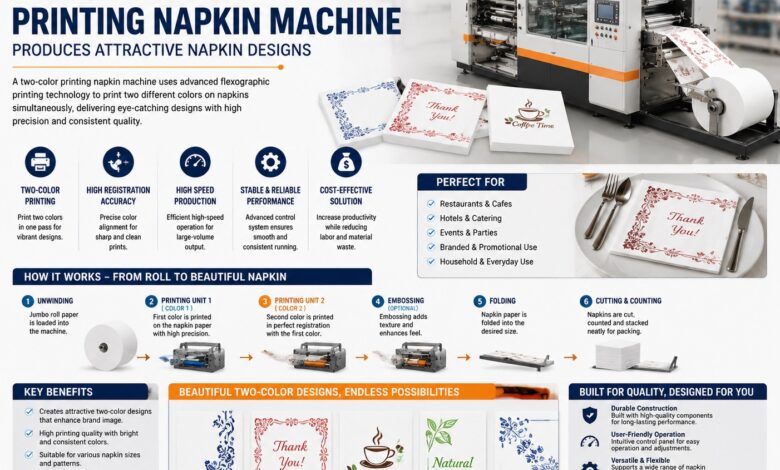
Printed napkins do much more than serve a practical purpose. They can add color to a dining table, strengthen the visual identity of an event, and turn an ordinary tissue product into something customers immediately notice. A two-color printing napkin machine makes this transformation possible by combining precise printing, controlled tissue feeding, embossing, folding, and cutting within one coordinated production process.
The attraction of a printed napkin comes from the balance between design and consistency. Colors must remain clear, patterns must stay aligned, and every fold must present the artwork in the intended position. When the equipment controls these details accurately, tissue producers can create decorative napkins that look polished, feel professional, and suit a wide variety of commercial and personal occasions.
Two-Color Printing Napkin Machine solutions from cx-tissuemachine help producers apply two coordinated colors to tissue while maintaining stable folding, clear patterns, and efficient production. Rather than printing napkins after they have already been folded, the machine applies the design while the tissue web moves through the production line. This method supports better alignment, faster output, and more uniform results across large production batches.
1. The Tissue Roll Enters the Machine
The process begins with a large parent roll of tissue paper. This roll is positioned on the machine’s feeding stand, where the tissue is gradually unwound and guided toward the printing section. Stable feeding is essential because tissue paper is thin, soft, and more delicate than many other printable materials.
A controlled feeding system maintains the correct tension as the tissue moves forward. Too much tension may stretch or tear the paper, while insufficient tension can cause wrinkles, loose movement, or inaccurate printing. The machine therefore guides the material smoothly through a series of rollers that help keep the tissue flat and properly aligned.
Good material control creates the foundation for an attractive finished napkin. Even the most creative design can appear uneven when the tissue shifts from side to side during production. By maintaining a stable path, the machine prepares the paper for clean color application and accurate folding.
The feeding stage also helps support continuous production. Once the roll is installed and adjusted correctly, the tissue can move through the remaining stages at a steady speed. This reduces unnecessary interruptions and allows operators to focus on monitoring quality rather than constantly correcting the material.
2. The First Printing Unit Applies the Base Color
After feeding, the tissue reaches the first printing unit. This section usually applies the main color of the design. The first color may form a background pattern, border, decorative shape, text element, or large visual area that establishes the overall appearance of the napkin.
The printing roller transfers ink onto the tissue according to the engraved or prepared pattern. Because tissue absorbs liquid quickly, the machine must apply ink evenly and carefully. Excessive ink can spread beyond the intended design, while insufficient ink may produce weak or incomplete images.
Pressure control plays an important role at this stage. The printing roller must touch the tissue firmly enough to transfer the design but gently enough to protect the softness and structure of the paper. Accurate pressure helps produce clean lines without crushing, tearing, or distorting the tissue.
The first color creates the visual foundation for the second printing stage. Its position must remain consistent throughout production because the next color will be added in relation to it. Stable feeding, accurate roller movement, and controlled ink application work together to keep the base design uniform from one napkin to the next.
3. The Second Printing Unit Adds Contrast and Detail
The tissue then moves to the second printing unit, where another color is applied. This second shade can add contrast, depth, definition, or decorative detail to the original design. By combining two colors, producers can create more attractive patterns than those possible with a single-color machine.
For example, one color may form a floral outline while the second fills selected petals. A border can use one shade while the center carries another. Text can appear in a strong color while decorative elements use a softer complementary tone. These combinations make the napkin look more expressive without requiring an overly complicated design.
Accurate registration is especially important during the second printing stage. Registration refers to the alignment between the first and second colors. When alignment is correct, the colors work together as one intentional design. When it is incorrect, outlines may appear doubled, shapes may overlap improperly, and small details may lose their clarity.
The machine controls the movement of the tissue and printing rollers so that both colors meet in the correct positions. Operators can adjust alignment before full production begins, using trial pieces to confirm that the design appears as expected. Once properly set, the system can repeat the pattern consistently across a long production run.
4. Controlled Ink Transfer Protects Design Quality
Attractive napkin printing depends not only on color selection but also on how the ink reaches the tissue. The machine must distribute ink evenly across the printing surface and prevent excessive buildup. Consistent ink transfer helps each napkin display a similar color intensity.
Tissue paper presents a special printing challenge because it is absorbent and lightweight. A heavy ink layer can soak through the sheet or make the printed area feel stiff. A carefully controlled layer allows the color to remain visible while preserving the napkin’s softness and practical use.
Operators normally monitor ink flow, roller cleanliness, and print strength during production. If the color becomes too light, adjustments may be required. If fine details begin to blur, the printing surface may need cleaning or the ink application may need to be reduced.
Keeping the two color systems separate also helps preserve the intended shades. Clean printing units prevent unwanted color mixing and make it easier to change from one design to another. Proper cleaning between production runs supports bright, accurate colors and reduces the risk of marks appearing on later napkins.
5. Embossing Adds Texture and Visual Depth
Once the printing is complete, the tissue may pass through an embossing section. Embossing presses a raised or recessed pattern into the paper, giving the napkin texture and a more refined appearance. It can also help multiple tissue layers remain together during folding and use.
Embossing can complement the printed design in several ways. A simple edge pattern may frame the two-color artwork, while a decorative texture can make plain areas more visually interesting. When the embossing and printing patterns are planned together, the napkin gains both color and dimension.
Pressure must again be carefully managed. Strong pressure may create a deep pattern, but it can also weaken delicate tissue or affect the printed image. Balanced pressure produces a visible texture while keeping the paper soft, usable, and attractive.
The combination of two-color printing and embossing can make a relatively simple napkin feel more premium. Customers often notice texture immediately when handling tissue products. A clean embossed pattern communicates attention to detail and can improve the overall presentation of the finished pack.
6. Folding Positions the Design Correctly
The printed and embossed tissue then enters the folding section. Folding is not simply a functional step; it determines which part of the design customers will see when the napkin is presented. A well-planned print layout ensures that important colors, text, or decorative elements remain visible on the outer panel.
The folding system guides the moving tissue into the required shape. Depending on the machine configuration, the napkin may be folded into a compact square, rectangular format, or another practical arrangement. The folds must remain straight and uniform so that finished napkins stack neatly.
Design placement must account for these folds before printing begins. An image that looks centered on the open tissue may disappear inside the final fold. For this reason, the printing pattern is prepared according to the finished napkin dimensions rather than the full width of the unfolded tissue.
Accurate folding makes the two-color artwork look intentional and professional. When every napkin presents the same visible panel, packed products appear orderly and consistent. This uniformity is particularly useful for decorative, hospitality, catering, and event-focused napkins.
7. Cutting Creates Clean, Uniform Edges
After folding, the continuous tissue must be separated into individual napkins. The cutting section performs this task at a controlled interval based on the required product size. Accurate cutting ensures that every napkin has similar dimensions and that the printed design remains correctly positioned.
A clean cut supports both appearance and packaging efficiency. Uneven edges can make stacks look untidy, even when the printing itself is attractive. Consistent dimensions allow napkins to align neatly and fit correctly into prepared packaging.
Cutting accuracy depends on synchronized movement throughout the machine. The tissue feeding speed, printing cycle, folding action, and cutting interval must work together. If one stage moves out of sequence, the design may shift or the finished napkin size may vary.
Regular inspection of cutting components helps preserve edge quality. Sharp, properly adjusted cutting parts reduce tearing and loose fibers. Smooth edges give the final product a clean appearance and help maintain orderly stacks during counting and packaging.
8. Automatic Counting Organizes Production
Many machines include a counting system that groups finished napkins into preset quantities. This function simplifies packaging and helps producers maintain accurate pack sizes. Instead of relying entirely on manual counting, operators receive organized batches ready for transfer to the next stage.
Reliable counting improves consistency for customers. Each package can contain the expected number of napkins, reducing complaints and limiting product loss caused by overfilling. It also helps production teams measure daily output more accurately.
The counting section must handle napkins gently. Printed tissue can become misaligned or crushed if finished pieces are pushed too aggressively. Controlled collection keeps stacks straight and protects the appearance of the folded design.
Automatic counting also supports faster workflow. As the production speed increases, manual counting can become a bottleneck. By arranging napkins into regular groups, the machine helps packaging workers keep pace with the printing and folding process.
9. Two Colors Expand Creative Possibilities
The most noticeable advantage of this machine is the ability to combine two colors within one napkin design. Two shades can create contrast without making the product look crowded. They can also be used to separate text from imagery, highlight a border, or add depth to a repeating pattern.
Color combinations can be adjusted for different occasions and customer preferences. Soft complementary shades may suit elegant table settings, while brighter combinations can create a cheerful appearance for celebrations. Seasonal themes, geometric patterns, floral artwork, and simple decorative symbols can all benefit from a second color.
Designers should keep the absorbent nature of tissue in mind. Clear shapes and balanced spacing often produce better results than extremely small details. A successful design uses the two colors purposefully, allowing each one to contribute without competing for attention.
This creative flexibility helps tissue businesses offer a wider product range. Instead of producing only plain napkins, they can develop attractive collections for different markets. The machine turns color into a practical product feature that can increase visual appeal and customer interest.
10. Consistent Automation Supports Business Growth
An automated production line repeats the same printing, embossing, folding, and cutting sequence throughout a batch. This consistency is valuable when customers expect each package to look identical. Reliable repetition also reduces the amount of manual correction needed during production.
Automation can improve productivity by combining several operations in one continuous process. Tissue does not need to be printed separately, transported to another station, and folded by hand. Fewer handling stages can reduce damage, save floor space, and create a smoother workflow.
Operators still play an important role by setting the design, checking color alignment, monitoring tissue movement, and maintaining the equipment. The machine provides repeatability, while trained workers ensure that production remains within the required quality standards.
For a growing tissue operation, consistent two-color production can create new opportunities. Attractive napkins may appeal to customers seeking decorative products rather than basic tissue alone. By offering clear printing, balanced color combinations, accurate folds, and neat packaging, producers can build a stronger and more varied product selection.
Key Qualities of an Attractive Printed Napkin
A successful two-color napkin usually combines several important qualities:
- Clear color separation so each shade remains recognizable.
- Accurate registration between the first and second printed patterns.
- Balanced ink application that preserves tissue softness.
- Straight folding that displays the design in the correct position.
- Clean cutting that creates uniform edges and dimensions.
- Consistent embossing that adds texture without damaging the print.
- Orderly counting and stacking for efficient packaging.
- Thoughtful design placement based on the final folded format.
When these elements work together, the finished napkin feels carefully produced rather than simply decorated. Customers see a clean design, consistent color, and professional presentation from the moment the package is opened.
Conclusion
A two-color printing napkin machine produces attractive designs through a carefully synchronized process. It begins by feeding tissue under stable tension, applies the first color as a visual foundation, adds the second color with precise alignment, and then completes the product through embossing, folding, cutting, and counting.
Every stage contributes to the final appearance. Controlled ink transfer keeps colors clean, accurate registration brings the two shades together, and proper folding ensures the design remains visible. Embossing adds texture, while clean cutting and organized stacking create a polished finished product.
The result is a practical tissue item with greater decorative value. By combining automation with thoughtful design preparation, producers can create napkins that are colorful, consistent, attractive, and suitable for many table settings and occasions.
Explore two-color napkin production equipment at https://www.cx-tissuemachine.com/.